
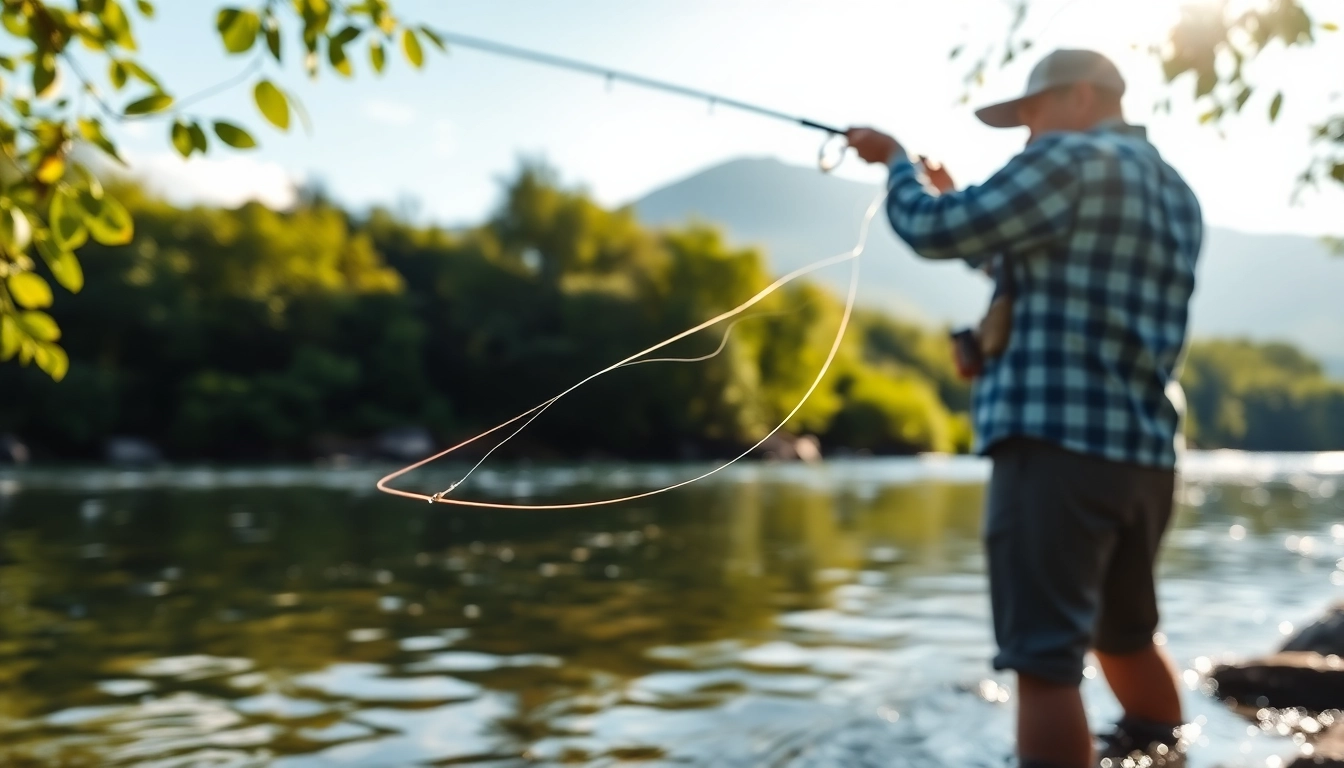
Understanding Fly Fishing Rods
When it comes to fly fishing, the rod you choose is pivotal to your experience on the water. Understanding the nuances of best fly fishing rods allows anglers to improve their casting technique, feel more connected to their target fish, and enjoy the overall process. But what makes a fly rod the best choice for you? Let’s explore the factors that contribute to selecting the right rod.
What Makes the Best Fly Fishing Rods?
The best fly fishing rods are determined by a variety of characteristics, including material, action, weight, and specific design elements tailored to particular fishing conditions. A quality fly rod should offer sensitivity to detect bites, sufficient backbone to handle fighting fish, and an enjoyable casting experience that minimizes fatigue. Ultimately, the best rod aligns with your fishing goals and personal style.
Types of Fly Fishing Rods
There are multiple types of fly fishing rods designed for various fishing environments and techniques. The primary categories include:
- Single-Handed Rods: Common in freshwater fishing, these rods are versatile and ideal for most trout fishing scenarios.
- Spey Rods: Designed for two-handed casting techniques, Spey rods excel in larger rivers and when targeting larger species.
- Switch Rods: These hybrid rods combine characteristics of single-handed and two-handed rods, suitable for diverse fishing setups.
- Overhead Casting Rods: These rods are optimal for casting in tight quarters, particularly useful in smaller streams.
Materials Used in Fly Rod Construction
The construction materials of fly rods greatly influence their performance. Most high-quality rods are made from graphite, fiberglass, or a combination of both. Graphite offers a lightweight feel and excellent sensitivity, while fiberglass provides durability and resilience. Understanding the material properties helps anglers select a rod that caters to their specific needs, be it for fishing technique or environmental conditions.
Factors to Consider When Buying
Length and Weight: Finding the Right Balance
The length and weight of your fly rod play a crucial role in your fishing experience. Rod lengths typically range from 7 to 10 feet, with longer rods allowing for greater casting distance and shorter rods providing better accuracy in tight spaces. When it comes to weight, rods are classified as AFTMA (American Fishing Tackle Manufacturers Association) ratings, and it’s critical to pair the rod weight with the appropriate line weight for optimal performance.
Action and Flexibility Explained
Rod action refers to how much the rod bends and the speed at which it returns to its original position. There are three primary actions:
- Fast Action: These rods bend primarily at the tip, allowing for quicker energy transfer and longer casts. Ideal for larger species.
- Medium Action: These rods provide a balance between sensitivity and backbone, making them versatile for different fishing conditions.
- Slow Action: These rods bend throughout their length, offering great feedback and control for smaller fish in delicate environments.
Brand Reputation and Reviews
Researching brand reputation and user reviews can save you from making a poor investment in a fly fishing rod. Trusted brands often provide detailed warranties and customer service, reassuring you of the product’s quality. Engaging with angler communities and forums can yield real-time feedback on specific models, ensuring that your choice is well-informed.
Top Features of the Best Fly Fishing Rods
Guide Rings and Reel Seats
Quality guide rings and reel seats are essential features of any fly fishing rod. Guide rings should be smooth and durable to prevent line wear, while the reel seat must provide a secure connection to avoid issues during a catch. Look for materials that withstand corrosion, especially if fishing in saltwater conditions.
Construction Techniques that Matter
The construction techniques used in crafting fly rods significantly impact their performance. High-end rods often utilize advanced manufacturing methods, such as multi-modulus carbon fiber and precision alignment, combining performance and weight savings. Understanding these innovations can help you identify rods built to last.
Upgrades Worth Considering
Investing in upgrades can elevate your fly-fishing game substantially. Consider features like ergonomic grips for comfort during extended sessions, and additional attachments like fighting butts for better leverage when landing larger fish. These enhancements not only improve your experience but can also aid in fine-tuning your fishing technique.
Maintenance Tips for Longevity
Proper Cleaning Techniques
Maintaining your fly rod’s integrity is crucial for maximizing its lifespan. After each fishing trip, rinse the rod with freshwater to remove any salt or debris. Use a soft cloth to wipe down the guides and reel seat, and occasionally apply a small amount of lubricant to the reel seat threads to ensure smooth operation.
Storage Guidelines for Fly Fishing Rods
Storing your fly rod properly can prevent warping or damage. Use a protective case or rod tube when transporting your gear. Store rods in a vertical position when possible, avoiding excessive pressure on any section of the rod. Keeping rods in a controlled environment with moderate temperatures reduces the risk of deterioration.
Repairs and When to Seek Help
Accidental damage is a reality for any angler, whether it’s a broken tip or guide. Many minor repairs, such as re-wrapping guides, can be accomplished at home with the right tools. However, for major repairs or structural issues, consulting a professional is advisable to maintain the rod’s functionality.
Frequently Asked Questions
What is the best fly fishing rod for beginners?
The best fly fishing rod for beginners usually features a medium action and around 9 feet in length, as it provides versatility and ease of use for various conditions.
How much should I spend on a fly fishing rod?
While rods range from budget-friendly to premium options, most beginners should expect to spend between $100 and $300 for a quality fly fishing rod.
Can I use a spinning rod for fly fishing?
Spinning rods are not designed for fly fishing. They lack the necessary flexibility and line management needed for effective casting of fly lines.
What length of fly rod is best for trout fishing?
For trout fishing, a 9-foot rod is a popular choice, as it allows for better casting distance and control, which is ideal for various water types.
How do I know if my fly rod action is right for me?
Your ideal fly rod action depends on your fishing style and targets. Fast action rods are better for larger fish, while slow action rods offer better presentations for smaller fish.